Water & Sanitation
LIDA works to provide safe water sources, promote hygiene education, and implement water conservation projects in Kenya's rural and arid regions where access to clean water remains a critical challenge.
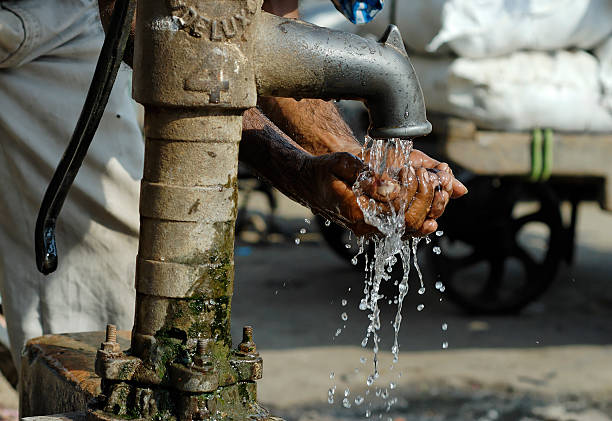
LIDA works to provide safe water sources, promote hygiene education, and implement water conservation projects in Kenya's rural and arid regions where access to clean water remains a critical challenge.
Addressing water scarcity and sanitation issues in Kenya
Access to clean water remains a critical challenge in Kenya, especially in rural and arid regions. According to UNICEF, approximately 40% of the Kenyan population lacks access to safe water, and poor sanitation contributes to high rates of waterborne diseases.
LIDA's water and sanitation programs are designed to provide safe water sources, promote hygiene and sanitation education, and implement water conservation projects. These interventions are vital for improving public health, reducing disease outbreaks, and increasing access to clean water.
Our comprehensive approach addresses both immediate water needs and long-term sustainability, empowering communities to manage their water resources effectively while improving sanitation practices to prevent disease.
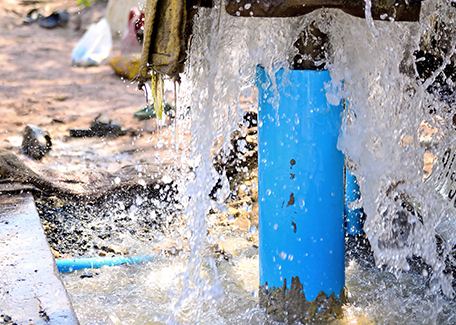
Constructing wells, boreholes, and rainwater harvesting systems to provide reliable access to clean water in communities with limited water sources.
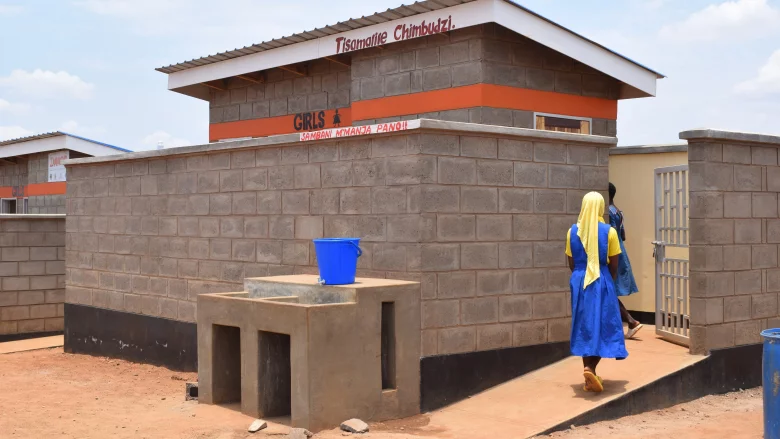
Building improved latrines, handwashing stations, and waste management systems to reduce open defecation and improve community hygiene.
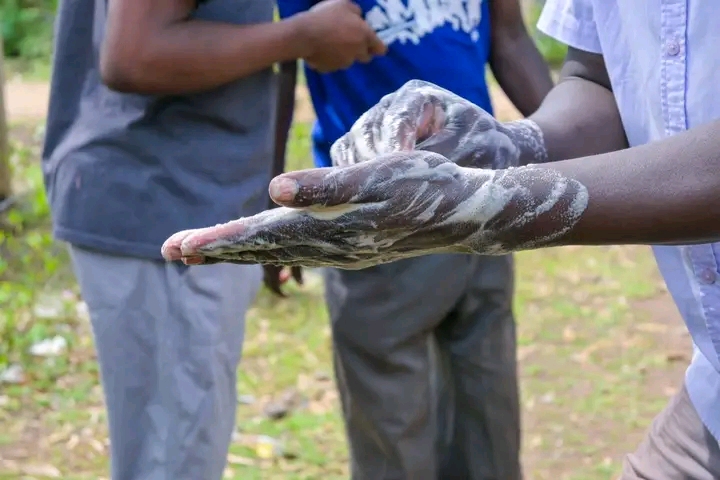
Conducting community workshops, school programs, and household visits to promote proper handwashing, water storage, and sanitation practices.
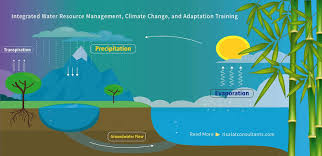
Training communities in sustainable water management, watershed protection, and water conservation techniques to ensure long-term water security.
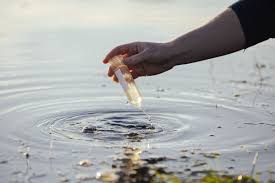
Implementing water testing programs and training community water committees to monitor and maintain water quality standards for safe consumption.
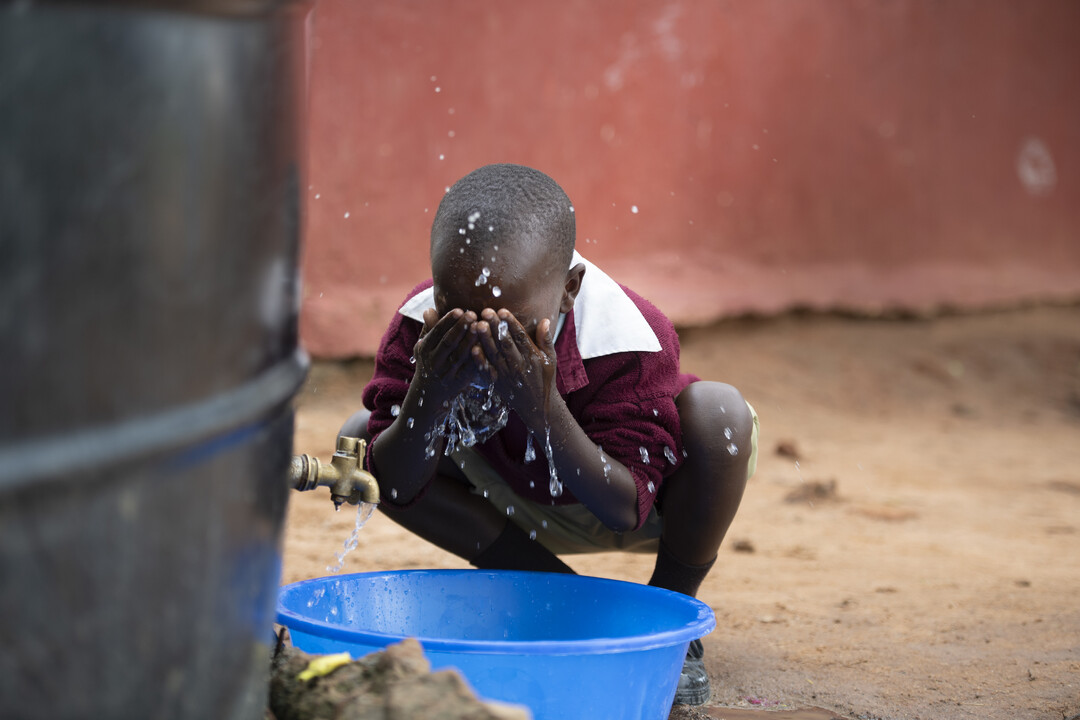
Establishing water, sanitation, and hygiene facilities in schools to improve student health, reduce absenteeism, and promote lifelong hygiene habits.
Understanding the obstacles to clean water and sanitation in Kenya
Many regions in Kenya experience prolonged droughts and limited rainfall, making it difficult for communities to access sufficient water for drinking, cooking, and hygiene.
Poor water quality and inadequate sanitation lead to high rates of waterborne diseases like cholera, typhoid, and diarrhea, particularly affecting children under five years old.
Limited infrastructure for water collection, storage, and distribution, especially in rural areas, forces many people to travel long distances to collect water from unsafe sources.
Limited awareness about proper hygiene practices, water treatment methods, and the connection between sanitation and health contributes to continued unsafe practices.
Limited financial resources for water infrastructure development and maintenance at both household and community levels hinder sustainable water access.
Changing climate patterns are affecting water availability, with more frequent droughts and floods disrupting traditional water sources and increasing water insecurity.
Measurable results from our water and sanitation initiatives across Kenya
Individuals with improved access to clean water through our programs
Decrease in waterborne diseases in communities with our interventions
Water sources and sanitation facilities established across Kenya
Community water management committees trained and supported
How we work to improve water access and sanitation in Kenyan communities
We engage communities in every step of the process, from identifying water needs to designing and implementing solutions that address their specific challenges.
We provide comprehensive training on water management, hygiene practices, and facility maintenance to ensure sustainable impact and behavior change.
We address water, sanitation, and hygiene as interconnected issues, implementing comprehensive solutions that tackle all aspects of the water cycle.
We collaborate with government agencies, water authorities, and other organizations to leverage resources and expertise for maximum impact and sustainability.
We implement water and sanitation solutions that are appropriate for local conditions, affordable, and can be maintained by community members with local materials and skills.
We continuously monitor water quality, usage patterns, and health outcomes to measure impact and make data-driven improvements to our programs.
Key milestones in our water and sanitation initiatives
Launched our first community water project in Turkana County, providing clean water access to over 2,000 people through a solar-powered borehole system.
Established our school water, sanitation, and hygiene (WASH) program, implementing facilities and education in 25 schools across three counties.
Implemented the Community-Led Total Sanitation approach in 50 villages, resulting in 30 communities achieving Open Defecation Free status.
Launched our community water quality monitoring program, training local water committees to test and maintain water safety standards.
Expanded our focus to include watershed management and protection, implementing reforestation and soil conservation projects in key water catchment areas.
Introduced digital water monitoring systems in 50 communities, using mobile technology to track water availability, usage, and maintenance needs in real-time.
Real stories of transformation from the communities we serve
"Before LIDA installed the water point in our village, I used to walk 5 kilometers every day to collect water from a river. The water was dirty, and my children were often sick. Now, we have clean water just 10 minutes from our home. My children are healthier, and I have time to work on my small business instead of fetching water all day."

"As the head teacher at our primary school, I've seen a remarkable change since LIDA built proper toilets and handwashing stations. Student attendance has improved, especially among girls who used to miss school during their periods. Waterborne diseases have decreased, and the children are proud to teach their families about proper hygiene practices they learn at school."

Your support can help us expand our water and sanitation initiatives and reach more communities in Kenya. Together, we can save lives and create healthier futures.