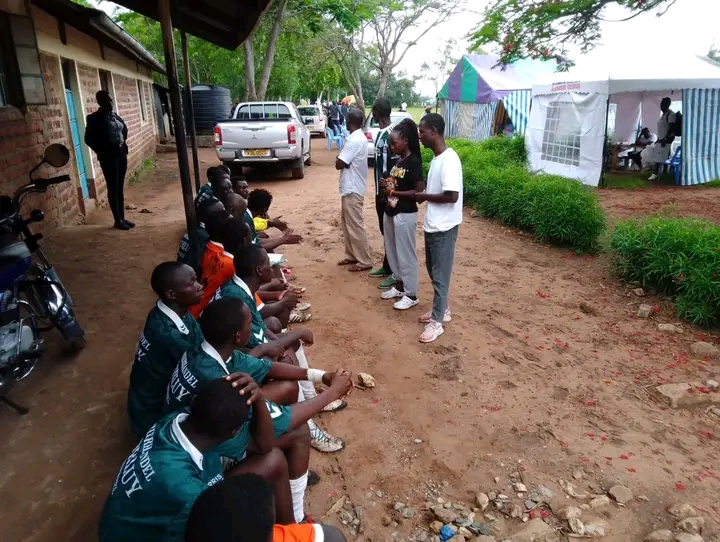
Empowering Women Through Education: LIDA's Approach
In Kenya, the gap in access to education for women and girls remains a challenge in many rural areas. LIDA is addressing this gap by focusing on community-based education programs...
Insights, stories, and updates from LIDA's work across Kenya. Explore our latest articles on sustainable development, community empowerment, and social impact.
In Kenya, the gap in access to education for women and girls remains a challenge in many rural areas. LIDA is addressing this gap by focusing on community-based education programs...
Sustainability is at the core of LIDA's mission. From promoting sustainable agriculture to advocating for environmental conservation, LIDA works tirelessly...
Road safety is often seen as a technical issue, but at LIDA, we know it's deeply connected to gender equality. Women and girls are disproportionately affected by unsafe roads...
Access to quality healthcare remains a significant challenge in rural Kenya. LIDA's community health initiatives are working to bridge this gap through innovative approaches...
No blog posts match your search criteria. Please try a different search term or category.
Stay updated with our latest articles, stories, and insights. Subscribe to our newsletter to receive new blog posts directly in your inbox.
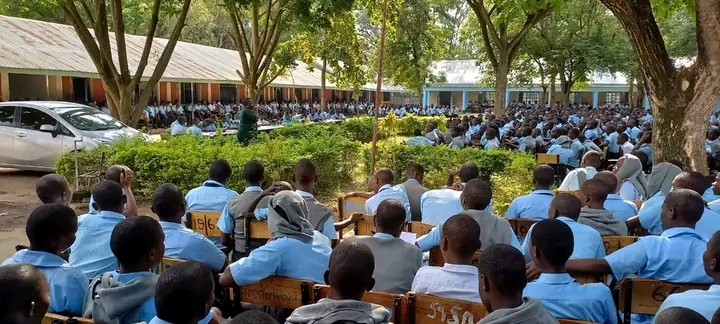
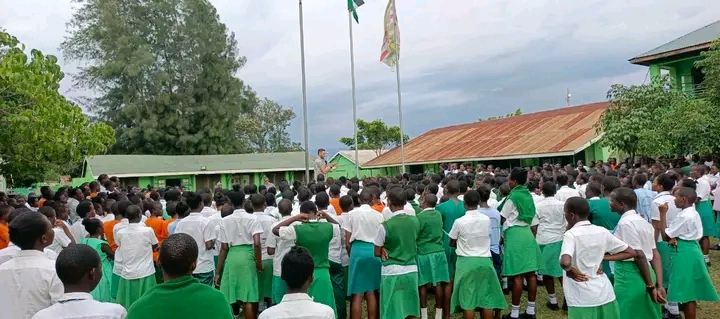
In Kenya, the gap in access to education for women and girls remains a challenge in many rural areas. LIDA is addressing this gap by focusing on community-based education programs that empower women with the skills needed to create a better future for themselves and their families.
Despite significant progress in educational access over the past decades, women and girls in rural Kenya continue to face barriers to education. Cultural norms, early marriages, household responsibilities, and economic constraints often prevent girls from completing their education. This educational disparity has far-reaching consequences, limiting women's economic opportunities and perpetuating cycles of poverty.
LIDA's women's education initiatives take a holistic approach, addressing not only academic learning but also life skills, vocational training, and community engagement. Our programs are designed with the specific needs and challenges of rural women in mind.
Key components of our approach include:
The impact of LIDA's women's education programs is best illustrated through the stories of participants like Mary Wanjiku from Nakuru County. After completing LIDA's adult literacy and entrepreneurship program, Mary started a small poultry business that now supports her family and employs two other women from her village.
"Education has opened doors I never knew existed," says Mary. "I can now read and write, manage my business finances, and provide for my children's education. The knowledge I gained through LIDA's program changed not just my life, but my entire family's future."
LIDA is committed to expanding our women's education initiatives to reach more communities across Kenya. We believe that empowering women through education is not just about individual advancement—it's about transforming communities and building a more equitable society.
By investing in women's education today, we are investing in stronger families, healthier communities, and a more prosperous future for Kenya.
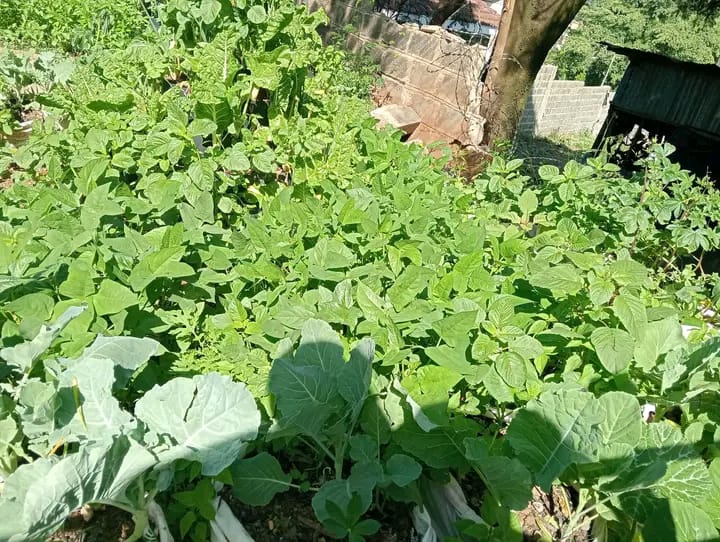
Sustainability is at the core of LIDA's mission. From promoting sustainable agriculture to advocating for environmental conservation, LIDA works tirelessly to ensure that development projects benefit not only today's communities but also future generations.
Kenya faces numerous environmental challenges, including deforestation, soil degradation, water scarcity, and climate change impacts. These issues threaten both biodiversity and human livelihoods, particularly in rural areas where communities depend directly on natural resources for their survival.
LIDA integrates environmental sustainability into all aspects of our work, recognizing that healthy ecosystems are fundamental to community wellbeing and long-term development. Our key environmental initiatives include:
LIDA has implemented community-based reforestation projects across several counties, working with local farmers to plant indigenous trees that restore degraded landscapes while providing economic benefits. Our agroforestry approach encourages farmers to integrate trees into their agricultural systems, improving soil health, water retention, and crop yields while sequestering carbon.
We train farmers in sustainable agricultural practices that are resilient to climate change, including water conservation techniques, organic farming methods, and crop diversification. These approaches not only protect the environment but also enhance food security and farmer incomes.
LIDA promotes clean energy alternatives such as solar power and energy-efficient cookstoves in rural communities. These technologies reduce reliance on firewood and charcoal, decreasing deforestation pressure and indoor air pollution while improving quality of life.
Our water conservation projects include rainwater harvesting systems, protection of natural springs, and community-based watershed management. These initiatives ensure sustainable access to clean water while preserving aquatic ecosystems.
LIDA believes that environmental conservation efforts are most effective when communities take ownership of them. We work closely with local leaders, women's groups, and youth to build capacity for sustainable resource management and create economic incentives for conservation.
In the Kakamega region, for example, LIDA has supported the formation of community forest associations that protect forest resources while developing sustainable livelihoods such as beekeeping and ecotourism.
LIDA is committed to measuring and evaluating the environmental impact of our programs. We track indicators such as tree survival rates, soil health improvements, water quality, and greenhouse gas emissions reductions to ensure our interventions are making a positive difference.
As climate change intensifies, LIDA is expanding our environmental initiatives and advocating for policies that support sustainable development at local and national levels. We believe that by demonstrating successful community-based approaches to environmental challenges, we can influence broader change.
Through our commitment to sustainability, LIDA is helping to build a future where economic development and environmental protection go hand in hand, creating healthier ecosystems and more resilient communities across Kenya.

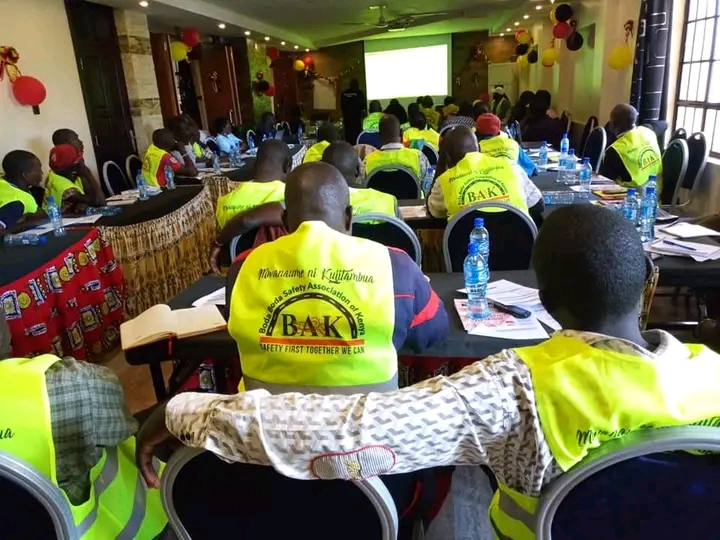
Road safety is often seen as a technical issue, but at LIDA, we know it's deeply connected to gender equality. Women and girls are disproportionately affected by unsafe roads, both as pedestrians and in the way they experience public transportation.
When we think about road safety, we rarely consider how gender shapes people's experiences of transportation systems. Yet research consistently shows that women and men use roads and transportation differently, face different risks, and have different safety concerns.
In Kenya, women are more likely to be pedestrians or public transport users rather than drivers. This means they are more vulnerable to poor pedestrian infrastructure, unsafe public vehicles, and harassment while traveling. Women also often travel with children or carry goods, making their mobility needs more complex.
Women frequently report harassment on public transportation and while walking. This can range from verbal harassment to physical assault. Fear of harassment may cause women to take longer, more expensive routes, travel only during daylight hours, or avoid certain areas altogether—limiting their mobility, economic opportunities, and access to education and healthcare.
Road infrastructure is often designed without considering women's specific needs. Poor lighting, lack of safe pedestrian crossings, and inadequate sidewalks disproportionately affect women, who are more likely to walk and use public transportation.
When roads are unsafe for women, their economic participation suffers. Limited mobility means limited access to markets, jobs, and educational opportunities. This perpetuates gender inequality and economic disparities.
LIDA is working to address these challenges through gender-responsive road safety programs that consider the specific needs and experiences of women and girls. Our initiatives include:
In Kisumu County, LIDA's Safe Routes Initiative has transformed how women and girls experience public transportation. By working with local matatu (minibus) associations to implement a code of conduct, training drivers and conductors on gender sensitivity, and establishing women-led monitoring committees, we've seen a significant reduction in harassment incidents and an increase in women's use of public transportation.
"Before this program, I would spend extra money on longer routes just to avoid certain areas where harassment was common," says Akinyi, a market vendor in Kisumu. "Now I can travel more directly, saving both time and money, and I feel safer."
Creating gender-equitable transportation systems requires a multifaceted approach that addresses infrastructure, policy, and social norms. LIDA is committed to:
By recognizing and addressing the gender dimensions of road safety, we can create transportation systems that work for everyone, promoting both safety and equality.
Access to quality healthcare remains a significant challenge in rural Kenya. LIDA's community health initiatives are working to bridge this gap through innovative approaches that bring healthcare services closer to those who need them most.
Rural communities in Kenya face numerous barriers to healthcare access, including long distances to health facilities, shortage of healthcare workers, inadequate infrastructure, and limited resources. These challenges result in delayed care, preventable complications, and poor health outcomes.
LIDA believes that healthcare should be accessible to everyone, regardless of where they live. Our community health initiatives focus on bringing essential services closer to rural populations while strengthening the existing healthcare system.
At the heart of our approach is a network of trained Community Health Volunteers (CHVs) who serve as the first point of contact for basic healthcare in their communities. These dedicated individuals are selected from the communities they serve and trained to:
LIDA provides CHVs with ongoing training, supervision, and essential supplies to ensure they can effectively serve their communities.
To reach the most remote areas, LIDA operates mobile health clinics that travel to different communities on a regular schedule. These clinics provide:
By bringing healthcare directly to communities, we eliminate transportation barriers and ensure that preventive care and early treatment are accessible to all.
LIDA is leveraging technology to connect rural patients with healthcare providers through telemedicine. Our telemedicine hubs, established in strategic locations, allow patients to consult with specialists without traveling long distances. This approach has been particularly valuable for managing chronic conditions and providing follow-up care.
While bringing services closer to communities is essential, we also work to strengthen existing rural health facilities. LIDA supports local dispensaries and health centers through:
The impact of LIDA's community health initiatives is best illustrated through the experiences of individuals like Mama Wangari from Laikipia County. When she experienced complications during her pregnancy, the local CHV recognized the warning signs and arranged emergency transportation to the nearest health facility. Both Mama Wangari and her baby received timely care and are now healthy.
"If it wasn't for our CHV, I might have lost my baby or my own life," says Mama Wangari. "Now I make sure all the pregnant women in our village connect with the CHV for regular check-ups."
LIDA closely monitors the impact of our community health initiatives through key indicators such as:
In communities where LIDA's programs have been implemented, we've seen significant improvements in health-seeking behavior and overall health outcomes.
LIDA is committed to expanding our community health initiatives to reach more rural communities across Kenya. We continue to innovate and adapt our approaches based on community feedback and emerging best practices.
By bringing healthcare closer to the people who need it most, we are working toward a future where everyone in Kenya has access to quality healthcare services, regardless of where they live.