Road Safety & Infrastructure
LIDA works to raise awareness on road safety, improve infrastructure, and advocate for equitable transport policies to reduce the high number of traffic accidents in Kenya.
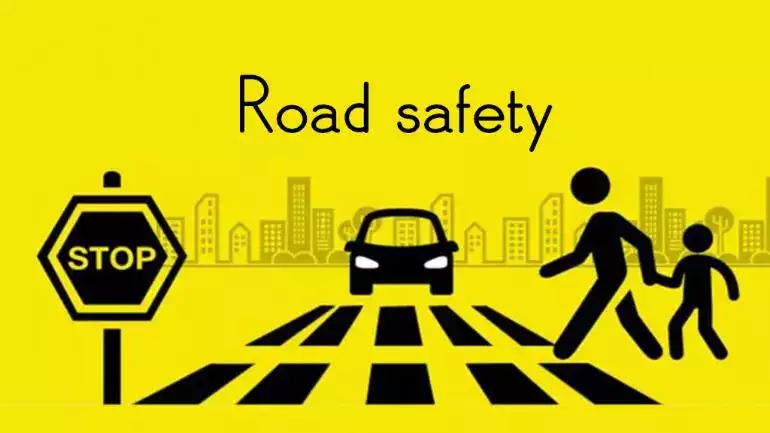
LIDA works to raise awareness on road safety, improve infrastructure, and advocate for equitable transport policies to reduce the high number of traffic accidents in Kenya.
Addressing road safety and infrastructure gaps in Kenya
Road accidents are a leading cause of death in Kenya, with the National Transport and Safety Authority (NTSA) reporting over 3,000 fatalities annually due to traffic accidents.
LIDA works to raise awareness on road safety, improve infrastructure, and advocate for equitable transport policies. With many underserved communities lacking access to safe and reliable transport, LIDA's programs aim to improve access to services, promote road safety education, and enhance infrastructure to prevent accidents and fatalities.
Our comprehensive approach addresses both immediate safety concerns and long-term infrastructure development, empowering communities to advocate for better roads and transport systems while promoting safer road use behaviors.
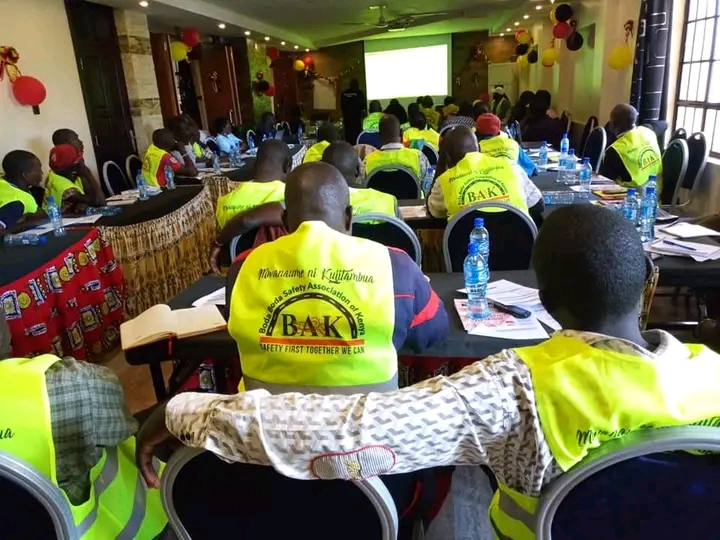
Conducting school-based and community road safety education programs to promote safe road use behaviors among pedestrians, drivers, and other road users.
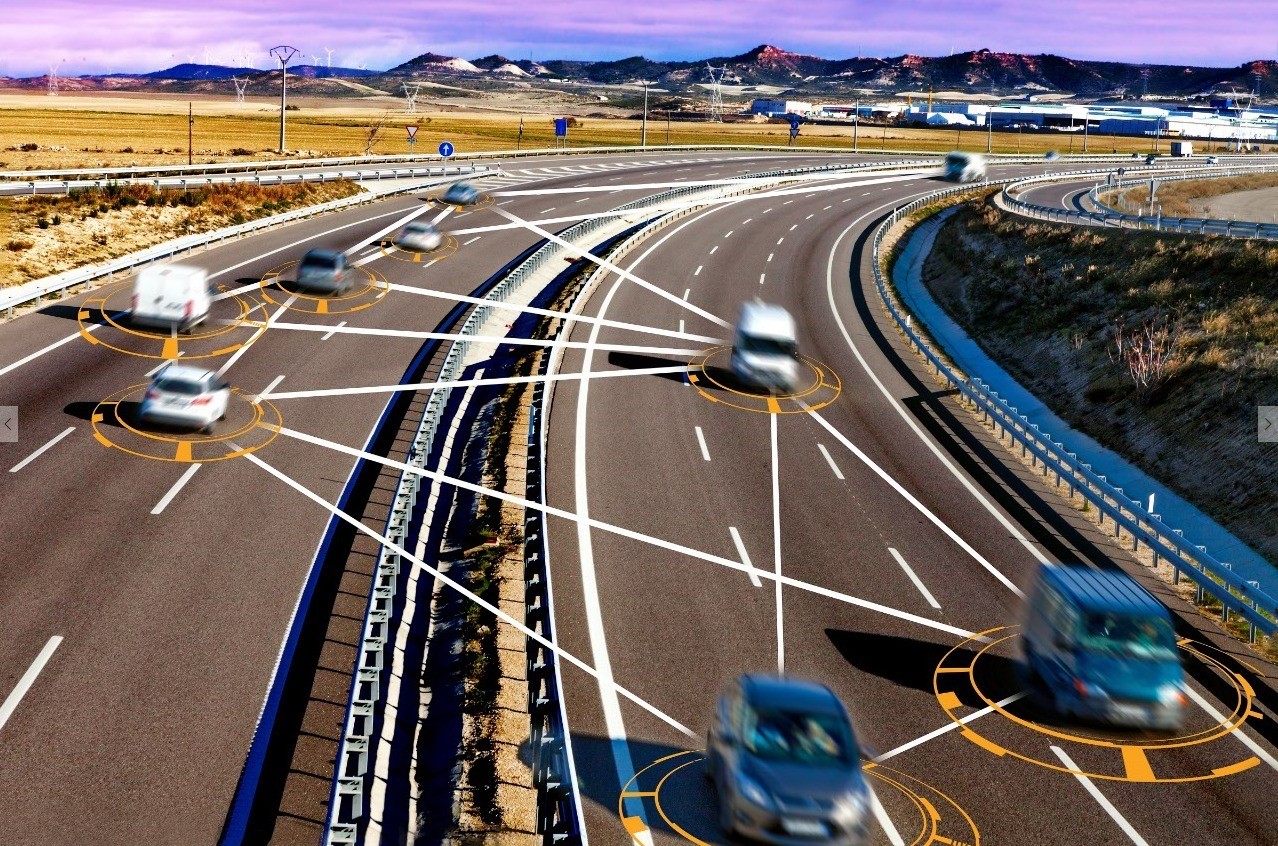
Working with local authorities to improve road infrastructure, including pedestrian walkways, speed bumps, road signs, and street lighting in high-risk areas.
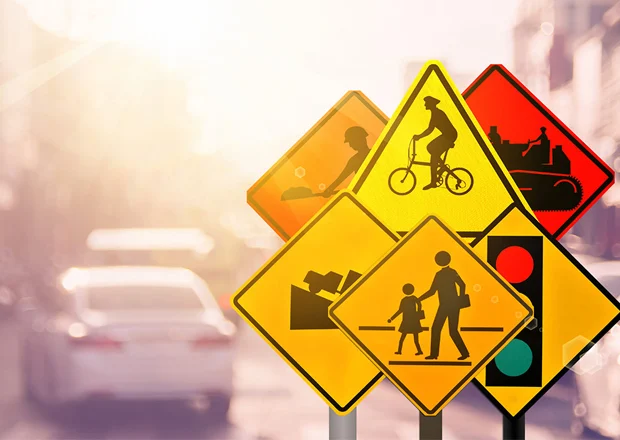
Advocating for improved road safety policies, enforcement of traffic laws, and equitable transport planning that considers the needs of all road users.
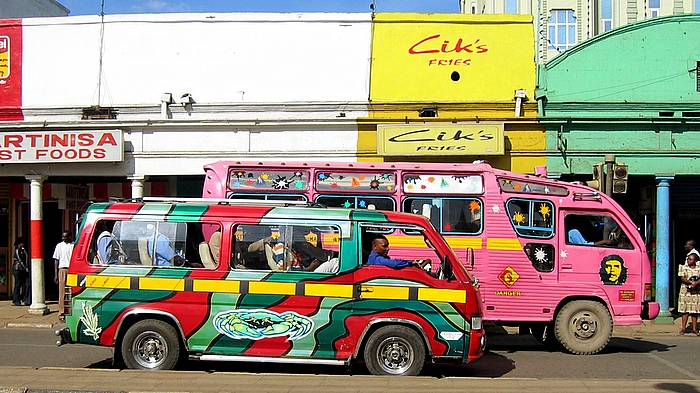
Working with public transport operators to improve safety standards, driver training, and vehicle maintenance to reduce accidents involving public service vehicles.
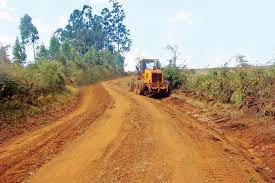
Implementing projects to improve rural road networks and transport services, connecting underserved communities to essential services and economic opportunities.
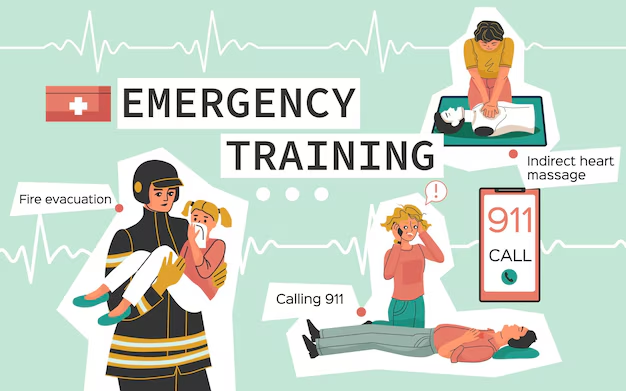
Training community first responders and supporting emergency services to improve post-crash care and reduce fatalities through timely and effective response.
Understanding the obstacles to road safety and accessible infrastructure in Kenya
Kenya experiences over 3,000 road fatalities annually, with pedestrians and motorcyclists being the most vulnerable road users, often due to unsafe driving behaviors and poor infrastructure.
Many roads lack proper design, maintenance, pedestrian walkways, and safety features, particularly in rural and low-income urban areas, increasing the risk of accidents.
Insufficient knowledge about road safety practices among road users, including drivers, pedestrians, and cyclists, contributes to risky behaviors and accidents.
Inadequate enforcement of traffic laws and regulations allows dangerous driving behaviors to continue, including speeding, drunk driving, and overloading of vehicles.
Limited emergency response capabilities, especially in rural areas, mean that accident victims often don't receive timely medical attention, increasing fatality rates.
Many communities, particularly in rural areas, lack access to safe and reliable transport, limiting their ability to access essential services, education, and economic opportunities.
Measurable results from our road safety and infrastructure initiatives across Kenya
Individuals educated on road safety through our awareness programs
Decrease in accidents in communities with our infrastructure improvements
Road safety improvements implemented across Kenya
Schools participating in our road safety education programs
How we work to improve road safety and infrastructure in Kenyan communities
We involve communities in identifying road safety issues and developing solutions that address their specific needs and challenges.
We provide comprehensive road safety education to all road users, including drivers, pedestrians, cyclists, and school children.
We collaborate with government agencies, transport authorities, and other stakeholders to leverage resources and expertise for maximum impact.
We implement practical, cost-effective infrastructure improvements that can significantly reduce accident risks in high-priority areas.
We advocate for improved road safety policies, better enforcement, and equitable transport planning that considers the needs of all road users.
We collect and analyze accident data and traffic patterns to identify high-risk areas and measure the impact of our interventions.
Key milestones in our road safety and infrastructure initiatives
Launched our first community road safety awareness campaign in Nairobi, reaching over 5,000 people with essential safety information.
Established our school road safety program, implementing safety zones and education in 25 schools across three counties.
Launched our rural roads improvement initiative, working with communities to enhance access to essential services in remote areas.
Implemented our public transport safety program, training drivers and advocating for improved safety standards in the matatu industry.
Established a community-based emergency response network in accident-prone areas, training first responders and improving post-crash care.
Successfully advocated for the adoption of improved road safety policies at county and national levels, focusing on vulnerable road users.
Real stories of transformation from the communities we serve
"Before LIDA installed the pedestrian crossing and speed bumps near our school, we lost two children to road accidents in a single year. The road was dangerous, with speeding vehicles and no safe place to cross. Now, our children can walk to school safely, and we haven't had a single accident in the three years since the improvements were made."

"As a matatu driver for 15 years, I used to think speed was necessary to make enough money. After attending LIDA's driver training program, I realized how dangerous my driving habits were. The training changed my perspective completely. Now I prioritize safety over speed, and surprisingly, my income has actually increased because passengers prefer to ride with drivers they trust."

Your support can help us expand our road safety initiatives and reach more communities in Kenya. Together, we can save lives and create safer transportation systems for all.